F ∙ L ∙ E ∙ D ∙ G ∙ E
Freshwater Fishes ∙ Lampreys ∙ Evolution ∙ Diversity ∙ Genetics ∙ Environmental DNA
Fledge = “to rear until ready for flight or independent activity”
What We Do
We use genetic technologies to answer questions related to the conservation, management, and evolution of freshwater fishes while helping
train the next generation of fisheries and aquatic scientists for their careers in academia, government, industry, and NGOs.
Click here to learn more about our research.




Recent News
- New paper describes first new extant lamprey genus in more than 100 years: Carim, K.J., G. Auringer, M.F. Docker, C.B. Renaud, B.J. Clemens, M. Blanchard, C. Parker, and M.K. Young (2024) Species diversity in the new lamprey genus Occidentis, formerly classified as western North American ‘Lampetra.’ PLoS One 19: e0313911.
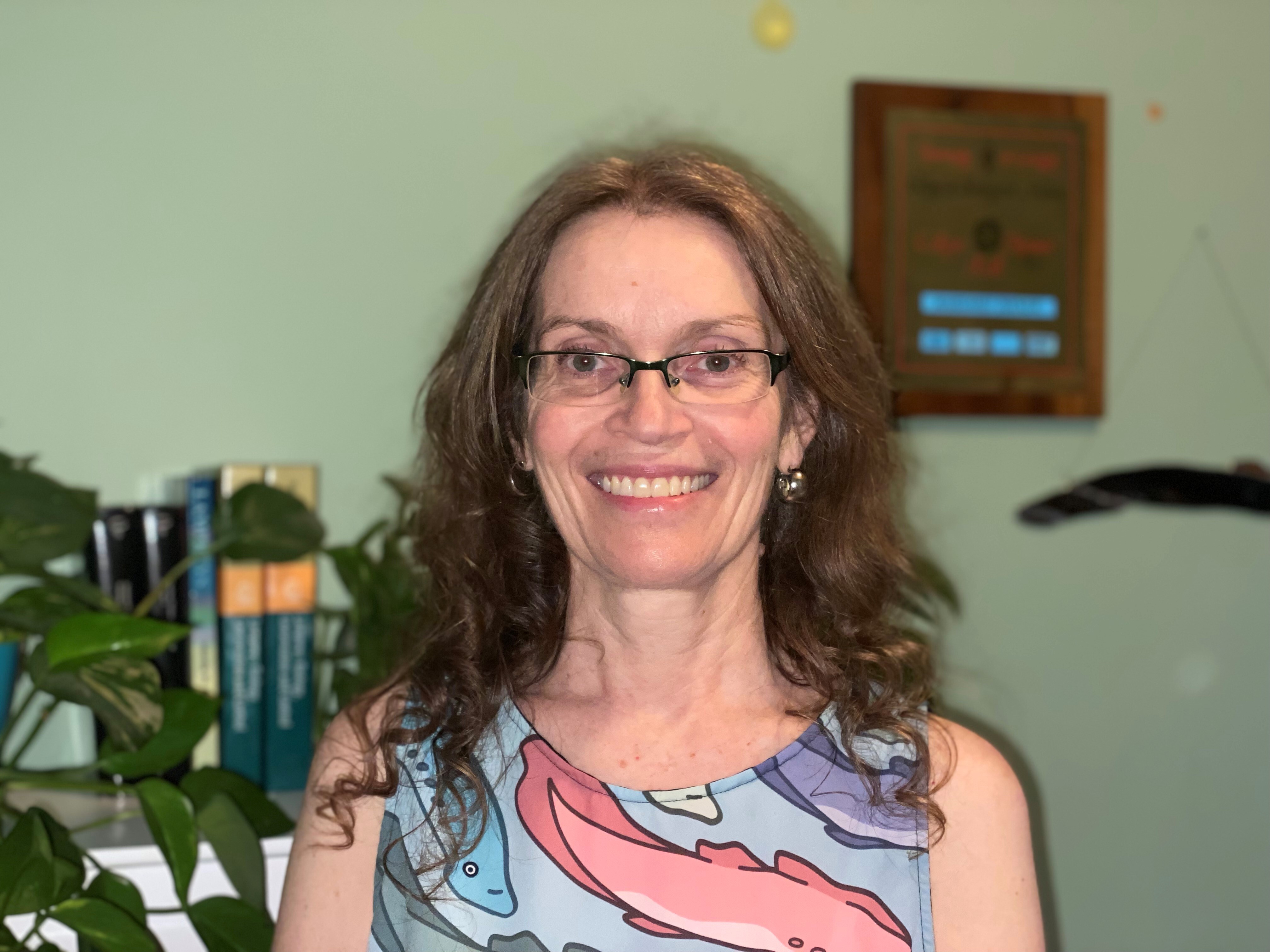
Meet Dr. Margaret Docker!
Dr. Docker is a Professor in the Department of Biological Sciences at the University of Manitoba in Winnipeg. Her research interests include conservation genetics of fishes (particularly lampreys and underappreciated freshwater fishes in Manitoba), the genetic basis of parallel phenotypic evolution (particularly the evolution of non-parasitism in lampreys), sex determination and sex differentiation in lampreys, and the use environmental DNA (eDNA) for monitoring of aquatic organisms. She teaches BIOL 2210 The Chordates and BIOL 4212 Systematics and Biogeography of Fishes.
In addition to teaching and research, Margaret serves as the co-chair of the Freshwater Fishes Subcommittee of the Committee on the Status of Endangered Wildlife in Canada (COSEWIC), on the Great Lakes Fishery Commission Sea Lamprey Research Board, and as the Lead Editor of the Journal of Great Lakes Research. She is a part of the GEN-FISH (Genomic Network for Fish Identification, Stress and Health) team of researchers, professionals, and community members who are working to develop and validate genetic tools to cost-effectively assess the location, abundance, and health of Canada’s freshwater fishes, and FishCAST, an NSERC CREATE program committed to training the next generation of fisheries and aquatic science leaders.
Land Acknowledgement
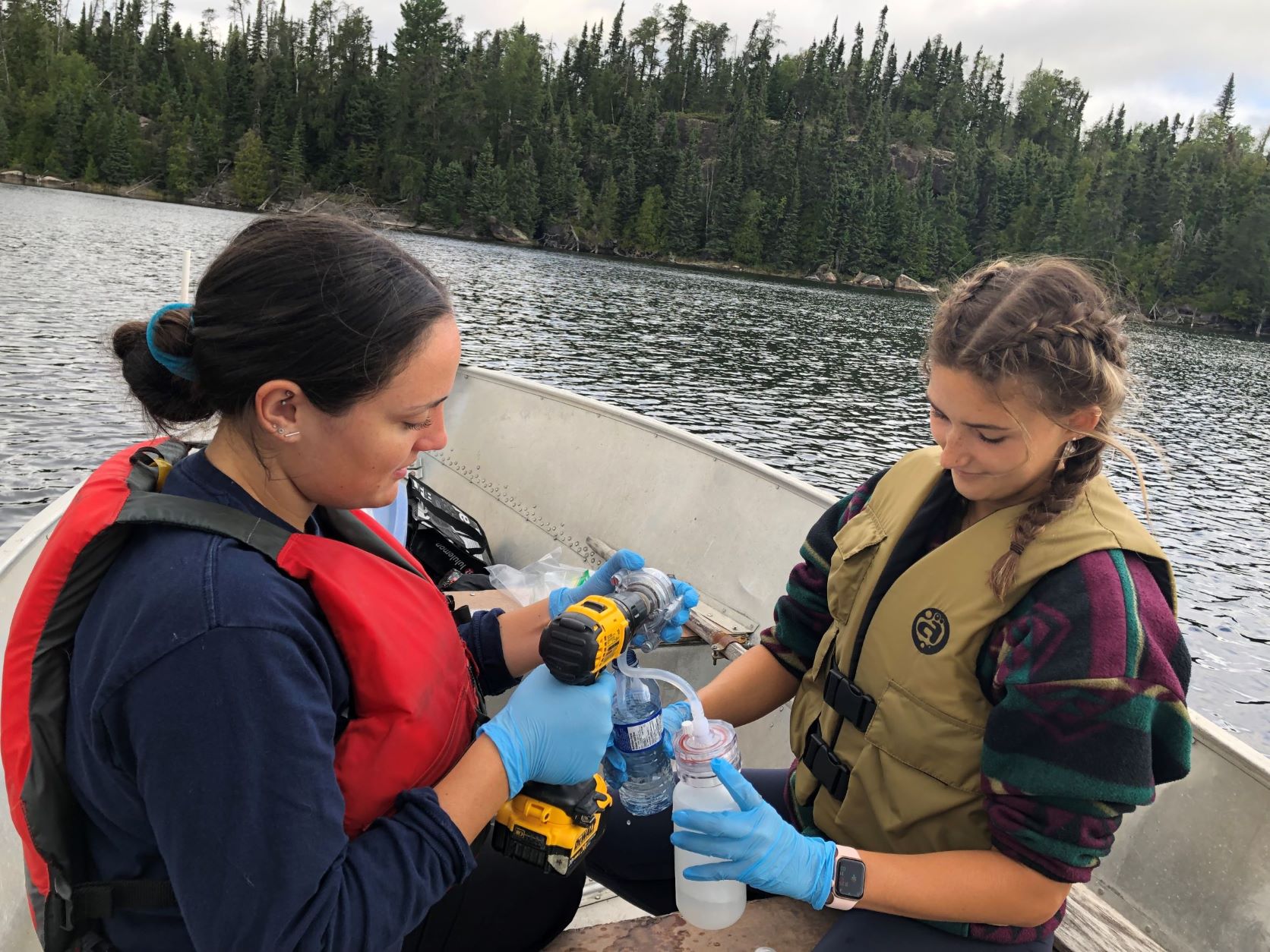
The Docker Lab resides on Treaty 1 territory which encompasses the original lands of the Anishinaabeg, Ininiwak, Anisininewuk, Dakota Oyate, Dene and Inuit, and on the National Homeland of the Red River Métis. We are grateful for the opportunities to sample water on Treaties 1, 2, 3, and 8. We respect the lands on which we walk and are committed to environmental stewardship and reciprocity.